Key takeaways
- Shopify Markets groups countries into markets, each with its own currency, language, domain or subfolder and pricing rules.
- Subfolders or country domains with automatic hreflang tags keep international SEO clean.
- Translate & Adapt, Shopify's free app, manages translations and market-specific content.
- Decide on prices, duties and returns per market before launch — they affect conversion more than design does.
- Start with your strongest one or two markets, measure, then expand.
Selling abroad used to mean running a separate store per country. With Shopify Markets, one store can sell to many countries, each with its own currency, language, address and pricing. Here is how to set it up properly.
How Shopify Markets works
A market is a country or group of countries that shares settings. Your primary market is usually your home country; you then add international markets in Settings → Markets. For each market you can choose:
- Currency: Prices shown and charged in the local currency, converted automatically or rounded to set price endings.
- Language: Translated storefronts, with Shopify's free Translate & Adapt app or a translation service.
- Domain or subfolder: A country domain (example.de), a subdomain or a subfolder (example.com/de-de).
- Pricing: Price adjustments per market, and on some plans fixed prices for individual products.
- Products: Which products are sold in each market.
Domains, subfolders and international SEO
Search engines need to know which version of a page is for which country and language. Shopify adds hreflang tags automatically for the domains or subfolders you assign to markets. For most brands, subfolders on one domain are the simplest choice: they share the main domain's authority and need no extra domain management. Translate titles, descriptions and URLs as well as the page content, and keep the Shopify SEO checklist in mind for every market.
Pricing, duties and taxes
International customers abandon checkout when the total surprises them. Decide per market:
- Whether prices include local taxes, as shoppers in many countries expect.
- Whether duties and import taxes are collected at checkout or paid on delivery — available options depend on your plan and country.
- Rounded, local-looking prices rather than raw conversions.
- Shipping rates and delivery times that are clear before checkout.
Logistics and returns
Check carrier options, delivery times and your returns process for each market before you launch. A free or simple returns policy matters most where customers can't try products locally. For larger operations, regional warehouses or fulfilment partners cut delivery times and costs.
A sensible rollout
- Pick one or two markets where you already see traffic or demand.
- Set currency, pricing, language and shipping for those markets.
- Translate key pages, product content and emails.
- Launch, measure conversion and returns, then add markets in waves.
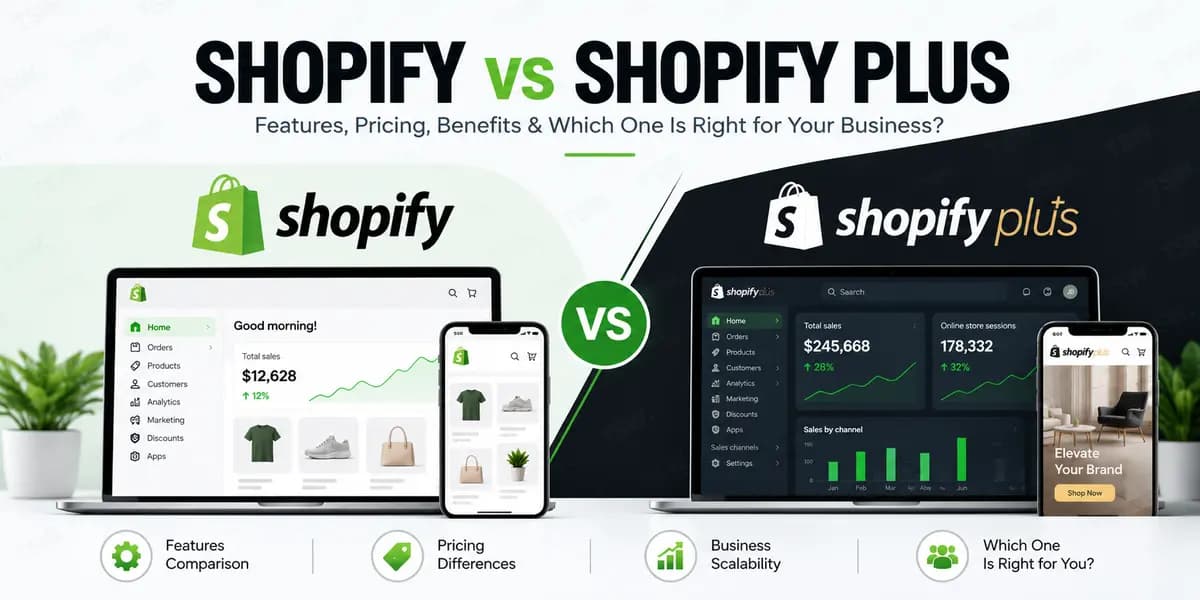
When one store and many markets aren't enough — for example with very different catalogues or brands per region — Shopify Plus expansion stores are the next step; see our Shopify Plus pricing guide. Need help going international? Our ecommerce consulting team plans the markets, pricing and SEO with you. Get in touch.
Filed under
 Jay Patel