Key takeaways
- The best Shopify agency provides clear architectural guidance rather than just agreeing to every custom request.
- Always review a partner's experience with complex data migrations, custom app integrations and checkout extensions.
- Fixed quotes and transparent development milestones protect your budget from scope creep.
- Post-launch support and performance optimisation matter just as much as the initial build phase.
Finding the best Shopify agency for your growing ecommerce brand requires looking past glossy portfolios and marketing promises to evaluate technical depth, architectural competence and business alignment. When your store generates significant revenue, a failed migration or a poorly coded custom theme can cost you thousands of pounds in lost sales within hours. The right development partner brings deep platform expertise across Online Store 2.0 architecture, Checkout Extensibility and custom app integrations. They do not just write code; they align your technology stack with your commercial goals to ensure sustainable, scalable growth.
What defines the best Shopify agency?
The best Shopify agency is defined by its ability to solve complex commercial and technical challenges without relying on bloated third-party applications that slow down your store. True experts understand the limitations and strengths of the platform. They know when to use native metafields, when to build a custom section and when a headless architecture using Shopify Hydrogen & Headless Development is genuinely necessary versus when a standard monolithic build will suffice. They also maintain rigorous quality standards through dedicated testing protocols, ensuring your checkout flows, inventory syncs and payment gateways operate reliably under heavy traffic spikes.
Furthermore, top-tier agencies provide honest strategic advice rather than simply taking orders. If a requested feature will harm your site speed or conversion rate, they will push back and offer a better alternative rooted in data and user experience. They invest time in understanding your inventory workflows, ERP requirements and fulfilment processes before writing a single line of Liquid or React. This consultative approach ensures that your store is built for operational efficiency, not just visual appeal, reducing maintenance overhead and protecting your margins over time.
Core services to look for in a top-tier partner
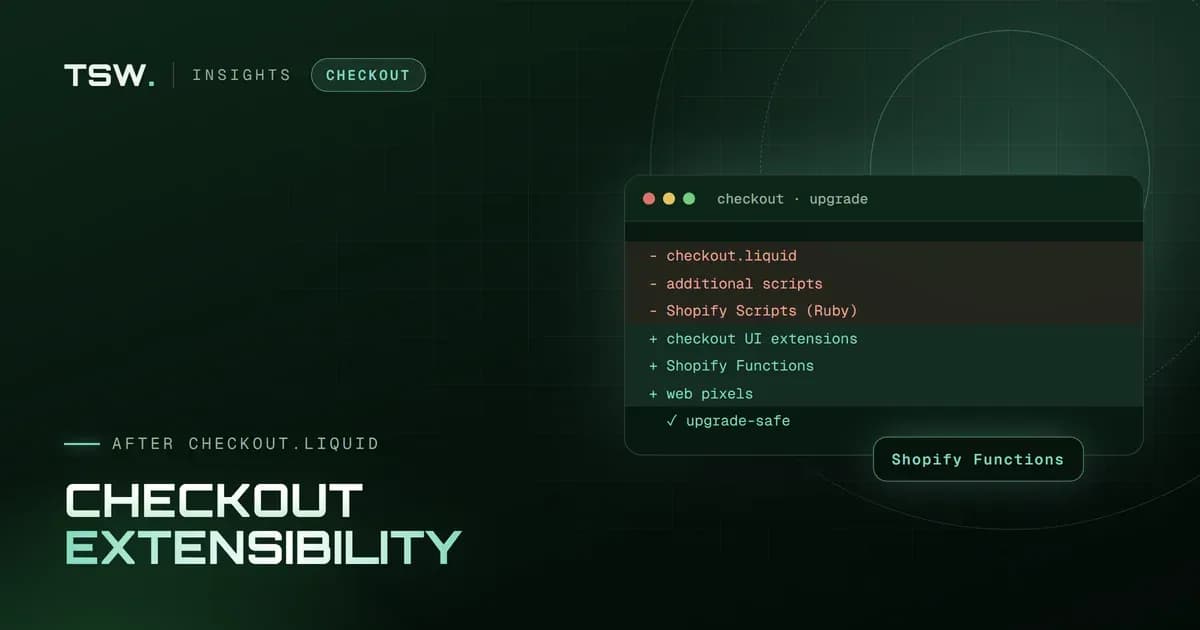
When evaluating potential partners, you should examine the breadth and depth of their technical service offerings. A comprehensive Shopify Development Services provider should handle everything from bespoke theme creation and UI design to complex API integrations and enterprise migrations. If you are operating on a larger scale, you may also need specialised Shopify Plus Development Agency capabilities, including B2B wholesale configuration, automated scripts using checkout extensibility and multi-store international setups via Shopify Markets.
Beyond initial builds, the best agencies offer robust ongoing support services to keep your store secure and fast. This includes proactive Shopify Speed Optimisation Services to maintain high Core Web Vitals scores, thorough QA & Software Testing Services before major marketing campaigns and reliable Website Maintenance & Support Services for continuous improvements. Consolidating your design, development and optimisation under one roof prevents communication gaps and ensures accountability across your digital operations.
Steps to evaluate and select your development partner
Selecting the right agency is a structured process that protects your investment and ensures a smooth project timeline. Rushing this decision often leads to missed deadlines, ballooning costs and a subpar end product that fails to convert visitors into buyers.
- Audit their technical case studies to verify they have solved problems similar to yours, whether that means migrating from Magento or building a custom ERP integration.
- Request a detailed discovery phase where they map out your database structure, third-party app dependencies and custom feature requirements.
- Ask about their code quality standards, version control practices and deployment workflows to ensure stability.
- Clarify their project management style, communication channels and how they handle scope adjustments or unexpected roadblocks.
- Review their post-launch warranty, maintenance options and Service Level Agreements to guarantee long-term operational stability.
Common mistakes to avoid when hiring an agency
Many brand founders make the mistake of choosing an agency solely based on the lowest hourly rate or the flashiest design portfolio. Cheap development often results in brittle codebases, excessive app bloat and catastrophic SEO drops during platform migrations. Another common error is failing to define clear project deliverables upfront, which inevitably leads to scope creep and friction over extra costs. You must ensure that your contract specifies ownership of all source code, design assets and intellectual property upon final payment.
Brand owners also frequently overlook the importance of post-launch conversion rate optimisation and SEO protection. A newly designed store that looks stunning but forgets to map 301 redirects, strips out structured data or slows down mobile load times will destroy your organic revenue. Always verify that your chosen partner understands technical search engine optimisation and integrates performance best practices from day one. Reading resources like our guide on How to Hire a Shopify Developer or Agency can help you ask the right vetting questions before signing any agreements.
FAQs
How much does it cost to hire a Shopify agency?
Agency costs vary widely depending on project scope, complexity and customisation requirements. Simple theme setups require smaller budgets, whereas enterprise migrations, headless builds and custom app development involve significant investment. Always look for fixed-quote models that provide transparent pricing with clear development milestones.
How long does a typical Shopify store build take?
A standard custom theme build is the quickest route, while complex enterprise migrations or headless implementations can take longer. The timeline depends heavily on the speed of client feedback, asset delivery and the complexity of data migration from legacy platforms like WooCommerce or Magento.
What is the difference between a freelancer and a Shopify agency?
Freelancers are often cost-effective for minor updates or simple design tweaks. Agencies provide multidisciplinary teams comprising UI/UX designers, certified developers, QA testers and project managers. This structure ensures accountability, faster delivery and robust technical coverage for complex, high-stakes ecommerce projects.
Do I need a Shopify Plus agency or a standard Shopify partner?
If your brand turns over significant annual revenue, requires advanced B2B wholesale features, custom checkout scripting or international multi-store automation, you need an agency experienced in Shopify Plus. Smaller or growing brands can safely launch and scale on standard plans with a skilled development partner.
If you are ready to discuss your next project, scale your store's performance or plan a complex migration, talk to our team today to get a fixed quote through our contact page.
Filed under
Tags
 Jay Patel